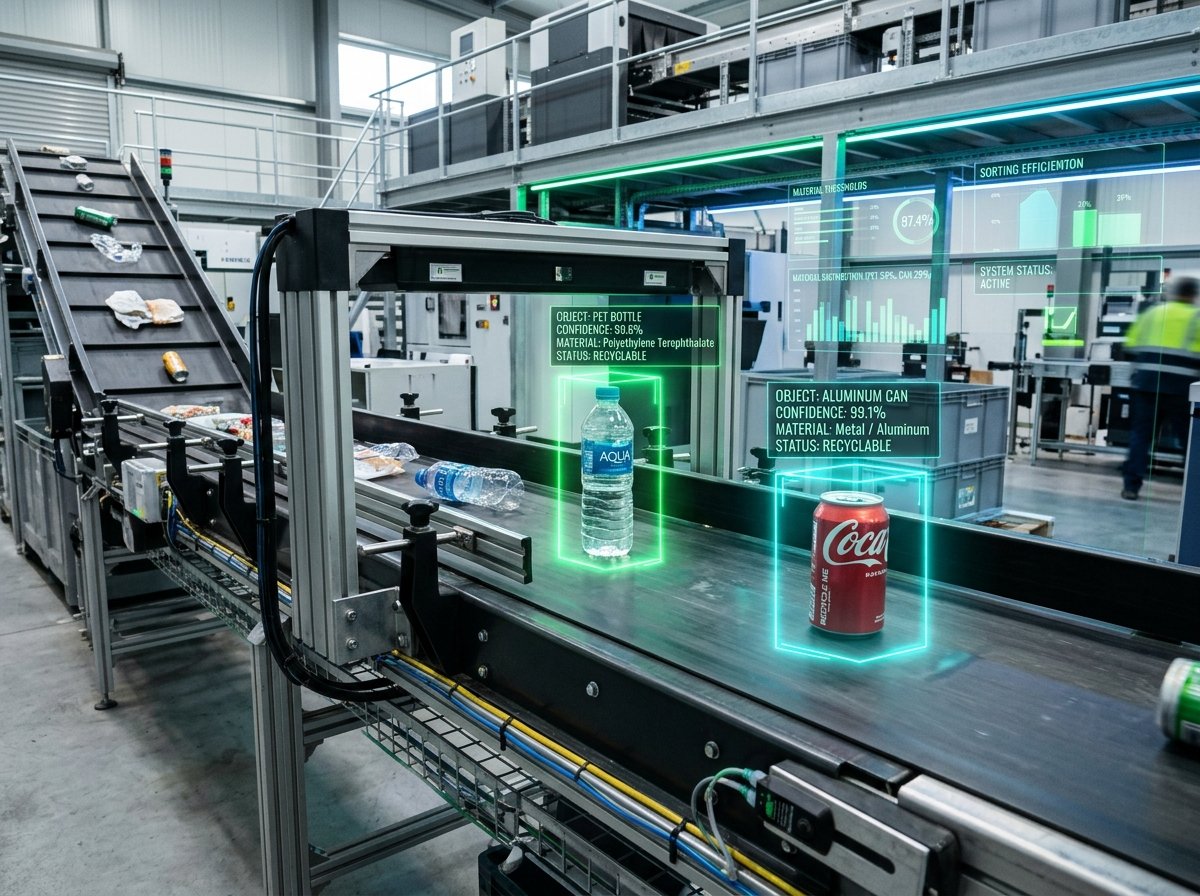
For over half a decade, Extended Producer Responsibility (EPR) regulations across developing markets functioned largely on trust and retroactive paperwork. Brand owners and packaging importers engaged informal brokers who produced paper recycling certificates verifying that designated metric tonnages had been recycled.
Those days are definitively over. The Central Pollution Control Board (CPCB) and state environmental tribunals have unveiled automated algorithmic verification systems designed specifically to detect certificate inflation, fictitious processing volumes, and multi-counting.
1. The Shift to Real-Time Weighbridge Telemetry
Under the new compliance directives, every registered recycling facility must stream automated IoT weighbridge data directly to cloud oversight ledgers. When a truckload of post-consumer plastic arrives at a processing plant, the following immutable telemetry packet is recorded:
- Gross, tare, and net vehicle weights captured via tamper-resistant load cells.
- Optical license plate recognition (ALPR) matching registered transport permits.
- Correlated plant electricity kilowatt-hour consumption verifying sufficient power was drawn to operate extrusion and washing lines.
2. Category-Specific Fulfillment Traps
A frequent mistake enterprise compliance teams make is treating their plastic obligation as a fungible aggregate sum. The regulation strictly partitions targets into four distinct buckets:
- Category I: Rigid Plastic packaging (PET bottles, HDPE drums).
- Category II: Single-layer flexible plastic packaging of more than one layer with different types of plastic.
- Category III: Multi-layered plastic packaging (MLP) with at least one layer of plastic and other materials like aluminium foil.
- Category IV: Plastic sheet or like used for packaging as well as carry bags made of compostable plastic.
Surplus credits in Category I cannot be used to offset deficits in Category II or III. Brands that fail to procure segregated Category II flexible film credits risk automatic portal suspension.
3. How Circulr Delivers End-to-End Audit Defense
At Circulr, our EPR Compliance Suite was engineered specifically to solve this regulatory friction. By connecting over 3,200 enterprises directly with vetted, audited recycling plants, our platform:
- Pre-qualifies recyclers through on-site drone audits and technical capacity assessments.
- Generates cryptographically signed transfer deeds that match state-wise packaging footprints.
- Compiles one-click, audit-ready compliance dossiers formatted to CPCB electronic submission specifications.
Need to Audit Your FY26 EPR Readiness?
Our legal engineers review your current packaging footprint and simulate audit risk.
Schedule Free Regulatory Review →